

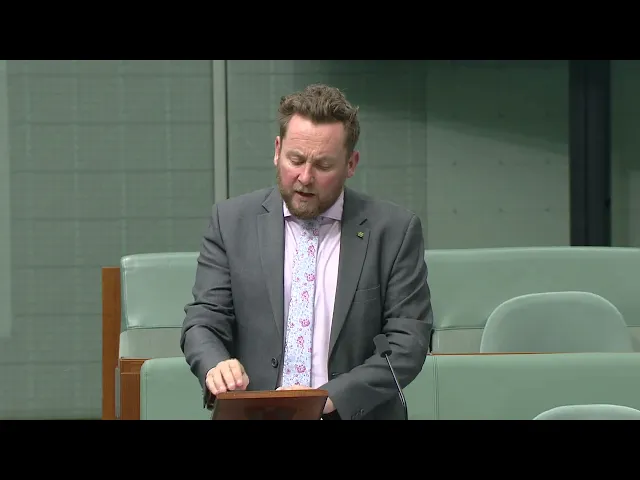

Letting nurses do what they're already trained to do
Letting appropriately trained and endorsed nurses prescribe PBS medicines isn't about replacing doctors — it's about strengthening team-based care and removing outdated barriers that create unnecessary delays and fragment patient treatment.
Australia's health system is under serious pressure. Wait times are growing, GP clinics are struggling with workforce shortages, and too many people are ending up in emergency departments for things that could have been managed earlier in the community. Meanwhile, we have highly trained, qualified nurses who are prevented by outdated rules from doing work they're already educated and endorsed to do. That doesn't make sense, and this bill fixes it.
The Health Legislation Amendment (Prescribing of Pharmaceutical Benefits) Bill allows appropriately qualified and endorsed registered nurses to prescribe certain medicines under the PBS. This isn't about replacing doctors—it's about letting multidisciplinary teams work properly. Nurses already assess patients, coordinate chronic disease care, and manage discharge planning. What this reform does is allow them to complete an episode of care instead of fragmenting it with unnecessary delays and duplicate appointments. At Joondalup Health Campus, which serves a massive and growing population across Perth's northern corridor, nurses play a critical role every day. Enabling appropriately endorsed nurses to prescribe under the PBS means safer transitions from hospital to home, fewer avoidable readmissions, and better continuity of care for patients managing ongoing conditions.
The safeguards are comprehensive. Nurses must meet rigorous education, experience and accreditation requirements. They work under prescribing agreements with other authorised PBS prescribers—embedding nurse prescribing within collaborative, team-based care. They're subject to the same Professional Services Review scheme that applies to all PBS prescribers, with clear accountability mechanisms. This isn't a free-for-all—it's careful reform grounded in evidence and international best practice from countries like the UK, Norway and Ireland where nurse prescribing operates safely and effectively. For people in Moore and across Australia, this means more timely access to treatment, fewer barriers to care, and a health system that actually works the way care is delivered on the ground. It's reform whose time has come.

Find / Contact us
Electorate Office
Suite 6, 129 Grand Boulevard
Joondalup WA 6027
Phone
(08) 9300 2244
Socials & Legal


Terms & Conditions
Acknowledgement of Country
Tom French MP acknowledges the traditional custodians of country throughout Australia and recognises their continuing connection to land, waters and community. He pays his respects to them and their cultures; and to Elders both past and present.
Authorised by Tom French, Suite 6, 129 Grand Boulevard, Joondalup, WA, 6027