
A country that can’t make things leaves itself exposed
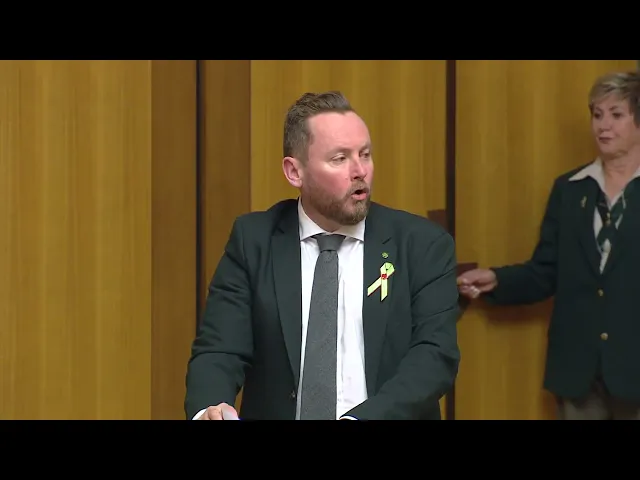
This week I spoke in Parliament about Australian manufacturing — why it matters to our economy, our security and the dignity of skilled work, and why it won’t be rebuilt by the people who only rediscover it in opposition.
The world has changed. Wars, supply shocks, trade disruption and strategic competition have all reminded us of something simple: a country that can’t make things leaves itself exposed. That’s the case I made in Parliament this week, and it’s one I reckon hits home in Moore.
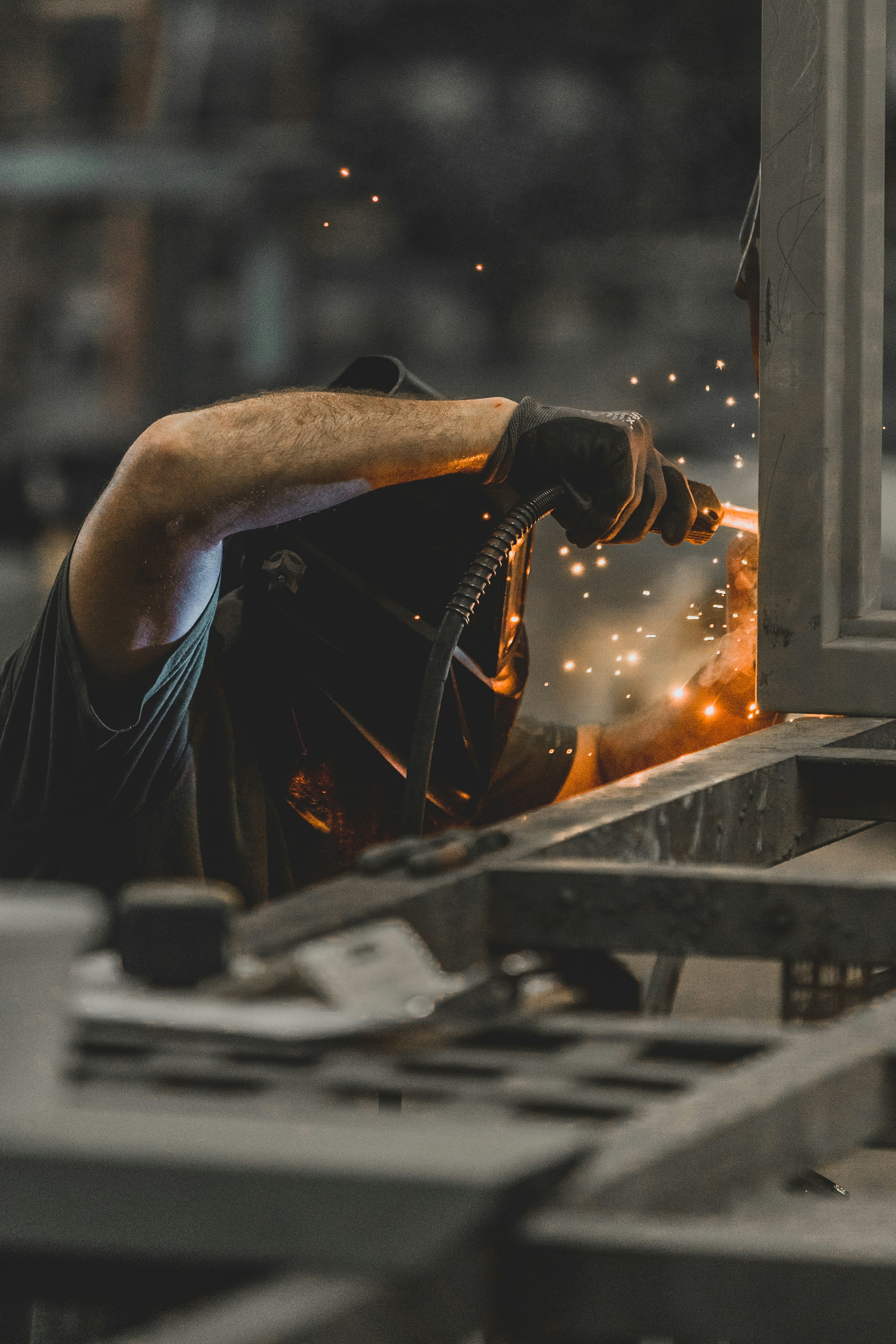
Manufacturing is our sixth largest industry. It produces $137 billion in value and employs around 930,000 Australians. Those aren’t just numbers. They’re jobs. They’re trades. They’re the dignity that comes from skilled work and from making something real with your hands.
I’m proud to come from Western Australia, where we understand all of this in our bones. We understand trades. We understand resources. We understand fabrication, heavy industry, and what a skilled workforce is actually worth.
So when a motion comes before Parliament saying manufacturing matters, I agree. On that much, there’s no argument. But here’s what that motion left out.
It left out the record of the people who moved it. It left out the closure of the car industry. It left out the years of drift and delay, and the simple fact that when our manufacturers needed a government willing to stand up for them, they were told to fend for themselves.
I’ll be honest with you: I’m not going to take a lecture on manufacturing from the very people who helped close the car industry and then turned up years later in a high-vis vest pretending to be shop stewards.
Manufacturing doesn’t survive on nostalgia. It doesn’t survive on slogans. It survives on investment, skills, procurement, energy policy, research, supply chains and confidence.
That’s exactly what a Future Made in Australia is about. It’s serious industry policy — backing workers, backing businesses, and making sure more things are made here. At the centre of it is the $15 billion National Reconstruction Fund, putting real capital behind Australian industry. That’s the difference. One side gives speeches about manufacturing. We invest in it.
That doesn’t mean we have to make everything. It means we make more of the things that matter — critical minerals, metals, clean technology, defence capability, advanced manufacturing, AI, quantum and research.
We’re building trains in the west, and I’m proud of that.
Now, some people say if only part of the build is local, it’s not good enough. I understand that argument. I want more local content, more WA workers, more apprentices, more fabrication done right here. I want that too.
But you don’t rebuild manufacturing by refusing to start. You rebuild it by placing orders, training workers, building facilities and lifting local content over time. A workshop doesn’t become world-class because someone moves a motion in Parliament. It gets there because it receives real work, real contracts, real apprentices and real investment.
Don’t let the perfect be the enemy of the good.
There’s more to do, and we’re doing it. On energy, Labor is getting on with the hard work — Rewiring the Nation, the Capacity Investment Scheme, firmed renewables and a practical gas policy for the manufacturers who still need it. On unfair imports and dumping, we’re strengthening our trade remedies system so Australian businesses get faster decisions and better protection.
The people opposite had a decade. They delivered drift, denial and decline. Now they oppose the National Reconstruction Fund, Rewiring the Nation, and the very tools needed to rebuild capability.
So let’s talk about Australian manufacturing. Australian trains, Australian metals, Australian minerals, Australian energy, Australian workers. But let’s be honest about it too: manufacturing won’t be rebuilt by the people who only rediscover it in opposition.
It’ll be rebuilt by investment, procurement, skills, energy certainty and national purpose. We’re not standing on the sidelines hoping it comes back. We’re getting on with the job of rebuilding it.

Find / Contact us
Electorate Office
Suite 6, 129 Grand Boulevard
Joondalup WA 6027
Phone
(08) 9300 2244
Socials & Legal


Terms & Conditions
Acknowledgement of Country
Tom French MP acknowledges the traditional custodians of country throughout Australia and recognises their continuing connection to land, waters and community. He pays his respects to them and their cultures; and to Elders both past and present.
Authorised by Tom French, Suite 6, 129 Grand Boulevard, Joondalup, WA, 6027