What happens on the high seas affects our coastline
2 Apr 2026
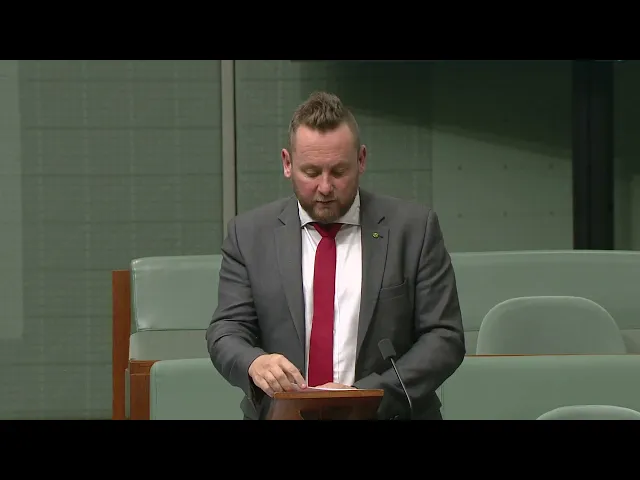
This week I spoke in support of the High Seas Biodiversity Bill 2026. It’s legislation about international waters, but its consequences aren’t distant. For the people of Moore, this bill goes directly to the health of the ocean systems that shape our coastline and our community.
Moore’s connection to the ocean
From Trigg through to Iluka, our coastline is central to how people live, work and engage with their community. Clean beaches, healthy marine life and a stable coastline aren’t abstract environmental outcomes. They’re the foundation of local recreation, small-business activity and community life.
Around 60 per cent of the global ocean lies beyond national jurisdictions — and only a small portion of that is currently protected. But ocean systems are interconnected. Pollution, changing marine conditions and impacts on fish stocks don’t originate solely within Australian waters. What happens out there affects what happens here.
What the bill does
The bill establishes a domestic framework so Australia can ratify the high seas treaty signed in 2023. It covers three areas.
First, marine genetic resources — biological materials from the ocean with scientific and commercial value. The bill introduces a notification regime requiring Australian entities to disclose their collection and use. This promotes transparency and ensures access to these resources is managed responsibly.
There’s a clear local connection. Western Australia is home to significant marine research capability, and that work is increasingly translating into practical outcomes. In Moore, projects like Uluu at the Indian Ocean Marine Research Centre are demonstrating how marine research can support sustainable industry, including alternatives to plastic. This legislation supports that kind of work by providing a consistent framework for how marine resources are accessed and utilised.
Second, the bill enables Australia to participate in creating and managing protected areas on the high seas. This contributes to the global objective of protecting 30 per cent of the ocean by 2030. Australia already has a strong domestic record in marine protection. This bill extends that approach beyond our jurisdiction. Marine ecosystems don’t operate in isolation — the effectiveness of protections within Australian waters is influenced by what occurs beyond them.
Third, the bill establishes a regime requiring Australian entities to assess the environmental impact of activities in international waters before they proceed. For coastal communities like Moore, this is a practical safeguard. Environmental harm in international waters doesn’t stay contained. It ultimately affects our shoreline.
Why it matters for Moore
There’s a clear economic interest here too. Coastal economies depend on the long-term health of marine environments. In Moore, local businesses, tourism operators and community organisations rely on access to a clean and stable coastal environment. Protecting that environment isn’t only an environmental objective — it’s an economic one.
This legislation reflects a straightforward principle: the condition of our coastline is shaped not only by what we do within our borders, but by what occurs beyond them. For the people of Moore, this bill is a practical step in protecting the environment we rely on every day. It supports sustainable industry, strengthens international cooperation and ensures Australia is contributing to responsible management of the global ocean.
-Tom